The Principles of Pharmacology
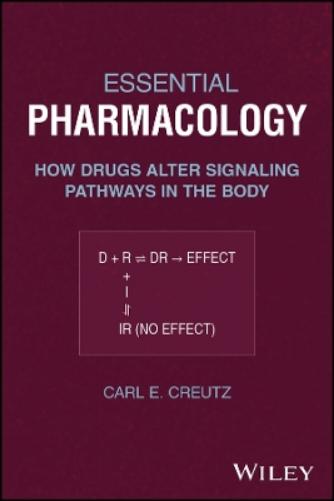
How Drugs Alter Signaling Pathways in the Body Master how drugs modulate the body’s signaling pathways Most medicines work not by creating new physiological processes, but by modulating the body's existing signaling systems, the internal language of hormones, neurotransmitters, and cellular messengers. Essential Pharmacology illuminates this central concept while providing accessible yet rigorous mathematical foundations for understanding quantitative pharmacology. Written by Carl E. Creutz, Harrison Professor of Medical Teaching in Pharmacology, Emeritus at the University of Virginia, this text guides students through drug absorption, distribution, and biotransformation; clinical pharmacokinetics with practical dosing models; and comprehensive pharmacodynamics including receptor theory, competitive antagonism, and partial agonists. The book explores G-protein coupled receptors, second messenger cascades, and signaling networks that drugs target. By emphasizing general principles, it complements specialized texts in clinical therapeutics, veterinary medicine, toxicology, antimicrobial therapy, and nursing practice. Readers will find: Essential Pharmacology serves medical, nursing, pharmacy, and other health professional students building theoretical foundations in pharmacology. It equally benefits biomedical researchers, pharmaceutical scientists, and public policy professionals seeking to understand drug development principles and therapeutic limitations.
Product Information
Product Information
Shipping & Returns
Shipping & Returns
Description
How Drugs Alter Signaling Pathways in the Body Master how drugs modulate the body’s signaling pathways Most medicines work not by creating new physiological processes, but by modulating the body's existing signaling systems, the internal language of hormones, neurotransmitters, and cellular messengers. Essential Pharmacology illuminates this central concept while providing accessible yet rigorous mathematical foundations for understanding quantitative pharmacology. Written by Carl E. Creutz, Harrison Professor of Medical Teaching in Pharmacology, Emeritus at the University of Virginia, this text guides students through drug absorption, distribution, and biotransformation; clinical pharmacokinetics with practical dosing models; and comprehensive pharmacodynamics including receptor theory, competitive antagonism, and partial agonists. The book explores G-protein coupled receptors, second messenger cascades, and signaling networks that drugs target. By emphasizing general principles, it complements specialized texts in clinical therapeutics, veterinary medicine, toxicology, antimicrobial therapy, and nursing practice. Readers will find: Essential Pharmacology serves medical, nursing, pharmacy, and other health professional students building theoretical foundations in pharmacology. It equally benefits biomedical researchers, pharmaceutical scientists, and public policy professionals seeking to understand drug development principles and therapeutic limitations.