
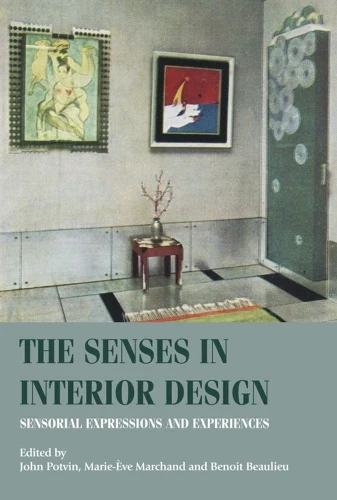
The Senses in Interior Design
Sensorial Expressions and Experiences
Interior design is all about the senses. This volume explores how sight, touch, smell, hearing and taste have been mobilised within various forms of interiors from the late sixteenth century to today. It provides new insight on the significance of the senses in all aspects of interior design and decoration.
The senses in interior design examines how sight, touch, smell, hearing and taste have been mobilised within various forms of interiors. The chapters explore how the body navigates and negotiates the realities of designed interiors and challenge the traditional focus on star designers or ideal interiors that have left sensorial agency at the margins of design history. From the sensually gendered role of the fireplace in late sixteenth century Italy to the synaesthetic décors of Comte Robert de Montesquiou and the sensorial stimuli of Aesop stores, each chapter brings a new perspective on the central role that the senses have played in the conception, experiences and uses of interiors.
Original: $57.18
-65%$57.18
$20.01Product Information
Product Information
Shipping & Returns
Shipping & Returns
Description
Sensorial Expressions and Experiences
Interior design is all about the senses. This volume explores how sight, touch, smell, hearing and taste have been mobilised within various forms of interiors from the late sixteenth century to today. It provides new insight on the significance of the senses in all aspects of interior design and decoration.
The senses in interior design examines how sight, touch, smell, hearing and taste have been mobilised within various forms of interiors. The chapters explore how the body navigates and negotiates the realities of designed interiors and challenge the traditional focus on star designers or ideal interiors that have left sensorial agency at the margins of design history. From the sensually gendered role of the fireplace in late sixteenth century Italy to the synaesthetic décors of Comte Robert de Montesquiou and the sensorial stimuli of Aesop stores, each chapter brings a new perspective on the central role that the senses have played in the conception, experiences and uses of interiors.