
D-Day Landing Craft
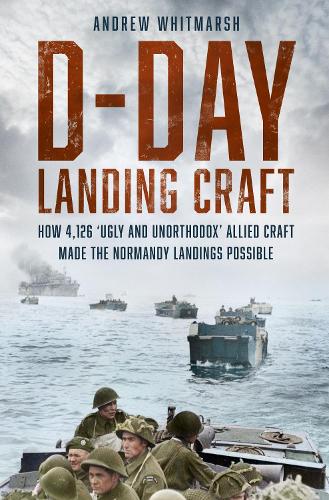
How 4,126 ‘Ugly and Unorthodox’ Allied Craft made the Normandy Landings Possible The D-Day Landings could not have happened without over 4,000 Allied landing craft and ships, and their crews. This book explains more about their use and the experiences of their British, American and Canadian crews on D-Day. ‘This is a marvellous book. The research is very thorough and it will answer all my questions.’ – RICHARD WILLIS, Normandy veteran, first lieutenant on LCT 898 on D-Day ‘Brings to life … the planning and execution of the largest amphibious landing which the world has ever seen … My grandfather… would have been most impressed by this detailed research.’ – CAPTAIN WILL RAMSAY, grandson of Admiral Sir Bertram Ramsay, Allied Naval Commander, Expeditionary Force D-Day, one of the most decisive moments of the Second World War, could not have happened without thousands of landing craft. Yet their role, and that of their crews, has often been overlooked. During a combined operation that involved aerial and naval assaults, as well as amphibious landings on a vast scale, more than 132,000 Allied troops landed on the Normandy beaches on 6 June 1944. Through their efforts, the tide of the war turned for the final time to favour the Allies. There is no overstating the contribution of the landing craft and their crews on the first day of Operation Neptune, and yet it is often overlooked. In D-Day Landing Craft, historian Andrew Whitmarsh turns his attention to these vital vessels that ensured the operation’s success. He describes events on each of the five Allied beaches on D-Day from the perspective of landing craft, landing ships and their crews. He examines why there were so many different types of landing craft and how they were built over several years in both the UK and North America, despite many competing war production requirements and operational demands. This closely researched and well-illustrated account is essential to anyone who wants to fully understand the course of D-Day, and the nature of Allied preparations for the campaign.
Original: $27.22
-65%$27.22
$9.53Product Information
Product Information
Shipping & Returns
Shipping & Returns
Description
How 4,126 ‘Ugly and Unorthodox’ Allied Craft made the Normandy Landings Possible The D-Day Landings could not have happened without over 4,000 Allied landing craft and ships, and their crews. This book explains more about their use and the experiences of their British, American and Canadian crews on D-Day. ‘This is a marvellous book. The research is very thorough and it will answer all my questions.’ – RICHARD WILLIS, Normandy veteran, first lieutenant on LCT 898 on D-Day ‘Brings to life … the planning and execution of the largest amphibious landing which the world has ever seen … My grandfather… would have been most impressed by this detailed research.’ – CAPTAIN WILL RAMSAY, grandson of Admiral Sir Bertram Ramsay, Allied Naval Commander, Expeditionary Force D-Day, one of the most decisive moments of the Second World War, could not have happened without thousands of landing craft. Yet their role, and that of their crews, has often been overlooked. During a combined operation that involved aerial and naval assaults, as well as amphibious landings on a vast scale, more than 132,000 Allied troops landed on the Normandy beaches on 6 June 1944. Through their efforts, the tide of the war turned for the final time to favour the Allies. There is no overstating the contribution of the landing craft and their crews on the first day of Operation Neptune, and yet it is often overlooked. In D-Day Landing Craft, historian Andrew Whitmarsh turns his attention to these vital vessels that ensured the operation’s success. He describes events on each of the five Allied beaches on D-Day from the perspective of landing craft, landing ships and their crews. He examines why there were so many different types of landing craft and how they were built over several years in both the UK and North America, despite many competing war production requirements and operational demands. This closely researched and well-illustrated account is essential to anyone who wants to fully understand the course of D-Day, and the nature of Allied preparations for the campaign.