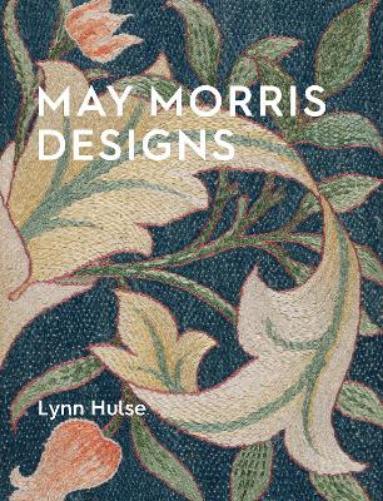
May Morris Designs
The Essence and Soul of Beautiful Embroidery May Morris (1862–1938) was a leading figure in the Arts and Crafts Movement and a key exponent of decorative needlework (or art embroidery). This is a practical guide to Morris's approach to decorative needlework with a selection of designs to embroider. May Morris (1862–1938) is recognised today as a pioneer of the Arts and Crafts movement, a leading exponent of decorative needlework and a campaigner for women artists. Despite being one of the foremost practitioners of her generation, it was design that May described as ‘the very soul and essence of beautiful embroidery’. One of the largest collections of May’s designs, from roughly sketched ideas to finished patterns, is held by the Ashmolean Museum. This book showcases a selection of 25 of these designs, which are published here for the first time, positioning May’s output within the artistic developments of the late nineteenth and early twentieth centuries as well as equipping embroiderers with the tools to create their own projects based on the work of this remarkable needlewoman.
Original: $55.82
-65%$55.82
$19.54Product Information
Product Information
Shipping & Returns
Shipping & Returns
Description
The Essence and Soul of Beautiful Embroidery May Morris (1862–1938) was a leading figure in the Arts and Crafts Movement and a key exponent of decorative needlework (or art embroidery). This is a practical guide to Morris's approach to decorative needlework with a selection of designs to embroider. May Morris (1862–1938) is recognised today as a pioneer of the Arts and Crafts movement, a leading exponent of decorative needlework and a campaigner for women artists. Despite being one of the foremost practitioners of her generation, it was design that May described as ‘the very soul and essence of beautiful embroidery’. One of the largest collections of May’s designs, from roughly sketched ideas to finished patterns, is held by the Ashmolean Museum. This book showcases a selection of 25 of these designs, which are published here for the first time, positioning May’s output within the artistic developments of the late nineteenth and early twentieth centuries as well as equipping embroiderers with the tools to create their own projects based on the work of this remarkable needlewoman.