Victorian Gaslighting
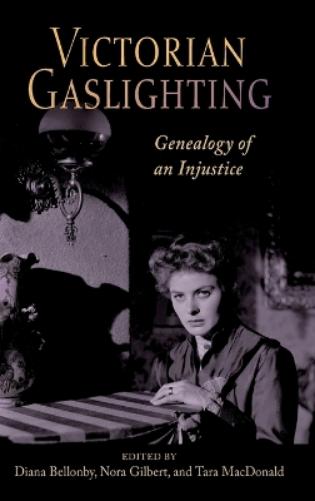
Genealogy of an Injustice Reads gaslighting as a term, concept, and form of abuse fundamentally tied to the literature and culture of the Victorian British Empire. Victorian Gaslighting is the first literary-cultural history of gaslighting, a term derived from the haunting neo-Victorian play Gas Light (1938), which tells the story of a sadistic husband who manipulates his wife into believing she’s losing her mind. The collection traces the type of emotional abuse we find in the various stage and screen versions of the play back to its nineteenth-century British roots. Gaslighting emerged during an era when the idea of madness was debated, misused, policed, and medicalized like never before—and when the interlocking institutions of patriarchy, slavery, and imperialism sought to convince women, racialized others, and colonized subjects that their own perceptions were not to be trusted. More than anything, as the volume's wide-ranging analyses of both canonical and little-known Victorian texts demonstrate, gaslighting depends on the power to propagate a false narrative. This study clarifies how gaslighting works, then and now, by taking a deep dive into the distinctly Victorian horror story at the heart of this persistent form of injustice.
Product Information
Product Information
Shipping & Returns
Shipping & Returns
Description
Genealogy of an Injustice Reads gaslighting as a term, concept, and form of abuse fundamentally tied to the literature and culture of the Victorian British Empire. Victorian Gaslighting is the first literary-cultural history of gaslighting, a term derived from the haunting neo-Victorian play Gas Light (1938), which tells the story of a sadistic husband who manipulates his wife into believing she’s losing her mind. The collection traces the type of emotional abuse we find in the various stage and screen versions of the play back to its nineteenth-century British roots. Gaslighting emerged during an era when the idea of madness was debated, misused, policed, and medicalized like never before—and when the interlocking institutions of patriarchy, slavery, and imperialism sought to convince women, racialized others, and colonized subjects that their own perceptions were not to be trusted. More than anything, as the volume's wide-ranging analyses of both canonical and little-known Victorian texts demonstrate, gaslighting depends on the power to propagate a false narrative. This study clarifies how gaslighting works, then and now, by taking a deep dive into the distinctly Victorian horror story at the heart of this persistent form of injustice.