O: Apostrophic Ghosts and the Disappearing Acts of Lyric Poetry (SUNY series, Literature...in Theory
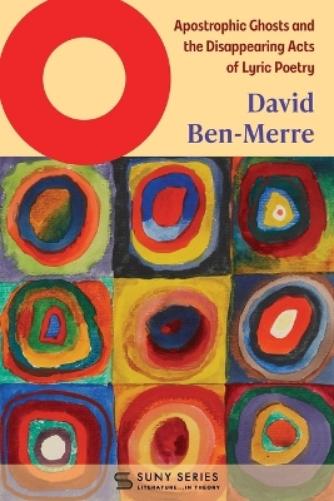
Apostrophic Ghosts and the Disappearing Acts of Lyric Poetry Considers how a series of poets reimagined the possibilities of "O" as a gesture of apostrophe and, even more so, of writing. In poetry circles, "O" is commonly associated with apostrophe—a dramatized turn to call out to an absent friend or idea. This call, however, is made possible by a graphic sign it pretends not to acknowledge. O follows poets who were rethinking the apostrophic "O" alongside its symbolic, iconic, and material forms. Organized conceptually rather than chronologically, the book explores how works by W. B. Yeats, Wallace Stevens, Elizabeth Bishop, James Merrill, Emily Dickinson, and Terrance Hayes, as well as the singer-songwriter Carly Simon and the band The Cure, each turn at deeply human moments to call forth an alternative to the present. Culminating in an experimental epilogue cowritten with the Romanticist Manu Samriti Chander, O engages with ongoing, sometimes excessive debates about lyric poetry and literary critical method, finding modest ground between their respective sides.
Original: $63.99
-65%$63.99
$22.40Product Information
Product Information
Shipping & Returns
Shipping & Returns
Description
Apostrophic Ghosts and the Disappearing Acts of Lyric Poetry Considers how a series of poets reimagined the possibilities of "O" as a gesture of apostrophe and, even more so, of writing. In poetry circles, "O" is commonly associated with apostrophe—a dramatized turn to call out to an absent friend or idea. This call, however, is made possible by a graphic sign it pretends not to acknowledge. O follows poets who were rethinking the apostrophic "O" alongside its symbolic, iconic, and material forms. Organized conceptually rather than chronologically, the book explores how works by W. B. Yeats, Wallace Stevens, Elizabeth Bishop, James Merrill, Emily Dickinson, and Terrance Hayes, as well as the singer-songwriter Carly Simon and the band The Cure, each turn at deeply human moments to call forth an alternative to the present. Culminating in an experimental epilogue cowritten with the Romanticist Manu Samriti Chander, O engages with ongoing, sometimes excessive debates about lyric poetry and literary critical method, finding modest ground between their respective sides.